How to Choose the Perfect Timber for Your Custom Furniture
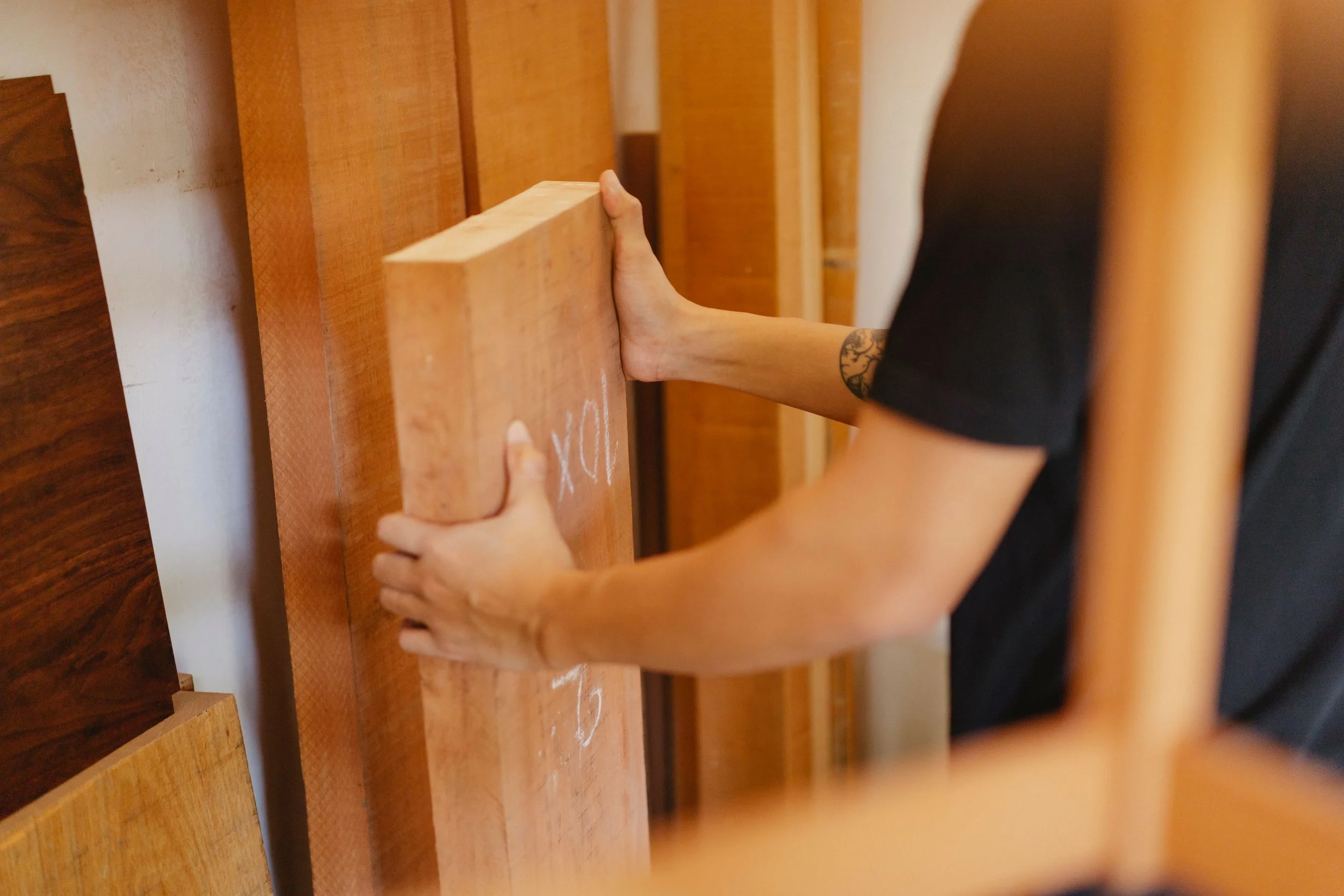
Choosing custom furniture is about much more than deciding on dimensions and picking a design you like. One of the most important decisions is the timber itself.
Timber determines how a piece looks, feels, ages and performs in everyday life. Two dining tables made to exactly the same design can have completely different personalities simply because they are made from different species of wood. One might feel warm and rustic, while the other looks clean, contemporary and understated.
For homeowners considering custom Australian made furniture in Perth, understanding a few timber basics can make the design process much easier. You don't need to become a timber expert. You simply need to know what to look for and which characteristics matter for the way you live.
Why Timber Choice Matters in Custom Furniture
One of the biggest advantages of custom furniture is choice. Instead of accepting whatever timber, dimensions and finish are available in a showroom, you can create something suited to your home.
The timber plays a major part in that.
Its colour establishes much of the visual character of the furniture, while its grain can make a piece appear subtle or dramatic. Density and hardness influence how well it copes with everyday use, and the chosen finish can significantly change both its appearance and feel.
Timber is also a natural material, so no two boards are identical. Knots, grain variations and subtle changes in colour aren't necessarily imperfections. They're part of what gives solid timber furniture its individuality.
That variation is particularly appealing in custom furniture because the material becomes part of the design rather than simply something used to manufacture it.
Popular Australian Hardwoods for Custom Furniture
Australia has an impressive range of hardwoods, many with distinctive colours and grain patterns. The best choice depends on the furniture you're commissioning, the look you want and the availability of suitable timber.
Jarrah
Jarrah is one of Western Australia's best-known hardwoods. Its colour can range from rich reddish brown through to deeper burgundy tones, giving furniture an unmistakably warm appearance.
It works particularly well when you want the timber to be a major visual feature. A Jarrah dining table, for example, can become a strong focal point in an otherwise simple room.
Its rich colour can complement both traditional interiors and modern homes where natural materials are used to soften cleaner architectural lines.
Marri
Marri has a very different personality.
Generally lighter in colour, it is known for distinctive gum veins and natural markings that can create dramatic patterns across a tabletop or cabinet.
Those features mean Marri furniture rarely looks anonymous. If you like furniture that celebrates the natural character of timber rather than trying to make every surface completely uniform, Marri can be an attractive option.
It can work especially well for large dining tables, coffee tables and statement pieces where there's enough surface area for the grain and markings to be appreciated.
Blackbutt
Blackbutt typically offers lighter tones ranging from pale cream through to warm golden brown.
Its comparatively understated appearance makes it versatile. It can suit contemporary Australian homes, coastal-inspired interiors and spaces where you want solid timber without introducing very dark colours.
For rooms that already receive plenty of natural light, lighter timber can help maintain an open, relaxed feeling.
Spotted Gum
Spotted Gum is another popular Australian hardwood with considerable natural variation.
Colours can move from lighter brown tones into deeper chocolate shades, while the grain can add plenty of visual movement. That variation makes it particularly effective in furniture where the timber itself is intended to contribute to the overall design.
Spotted Gum can sit comfortably in contemporary, industrial and more natural interior schemes.
Understanding Grain: The Timber's Natural Fingerprint
Colour is usually the first thing people notice, but grain can have just as much influence over the finished piece.
Some timbers have relatively straight, restrained grain. Others feature sweeping patterns, gum veins or strong contrasts between different sections of a board.
Think about how much visual activity you want.
If your room already contains patterned flooring, textured walls, colourful artwork or other strong features, a quieter grain may create better balance. In a minimal room, more expressive timber can become the feature that gives the space character.
The size of the furniture matters too.
On a large dining or boardroom table, grain patterns have room to develop across the surface. On a smaller side table, the effect can be more concentrated.
This is one reason choosing timber from a tiny sample can sometimes be misleading. Whenever possible, consider how the species looks across a larger finished surface rather than judging it from one small piece.
Choosing the Right Timber Colour
Timber isn't simply "light" or "dark". It can contain red, yellow, honey, grey and chocolate undertones, and these can interact differently with the colours already in your home.
Start with your flooring.
You don't necessarily need furniture that matches timber flooring exactly. In fact, trying to match two different timbers too closely can sometimes make slight differences more obvious. A considered contrast can often look more intentional.
Then consider cabinetry, doors, window frames and other permanent elements.
If your home contains a lot of pale neutral colours, darker timber can introduce warmth and definition. If the interior already uses darker finishes, a lighter hardwood may prevent the room from feeling visually heavy.
Natural and artificial light also matter. A timber can look different beside a sunny window compared with the same timber under warm evening lighting.
When selecting custom Australian made furniture in Perth, it's worth considering how the timber will actually appear in your home throughout the day rather than choosing solely from photographs.
Durability: Think About How You'll Actually Use the Furniture
Beautiful timber is important, but furniture also needs to work.
A formal console table that is rarely touched has very different demands from a dining table used three times a day by a busy family.
For heavily used pieces, durability becomes particularly important. The timber species matters, but so do the construction method, surface treatment and ongoing care.
Ask practical questions before making your decision.
Will children use the table? Will hot dishes regularly be placed on it? Is the furniture going into a busy living space? Will it be exposed to strong sunlight? Are you comfortable with the small marks and changes that develop as natural timber ages?
These questions can be more useful than simply asking which timber is "best".
A good custom furniture maker can recommend timber and finishing options based on the actual job the furniture needs to perform.
Matching Timber to Your Home's Style
There are no rigid rules saying a certain timber belongs to a certain interior style, but the colour, grain and finish can help furniture feel naturally connected to its surroundings.
Contemporary Homes
Modern interiors often benefit from simple furniture forms where the timber provides warmth without unnecessary ornamentation.
Lighter Australian hardwoods can work beautifully here, particularly when combined with clean lines and restrained detailing. Darker species can also create a strong architectural statement when used selectively.
Coastal and Relaxed Interiors
Homes with pale walls, natural fabrics and plenty of daylight often suit lighter or mid-toned timbers.
The aim doesn't have to be creating a literal "coastal" theme. Instead, natural timber can complement the relaxed palette and tactile materials commonly used in these spaces.
Industrial Interiors
Timber is an effective counterpoint to steel, concrete, brick and other harder materials.
A substantial solid timber dining table paired with metal elements, for instance, can prevent an industrial interior from feeling cold. Timbers with visible grain and character can be particularly effective in this setting.
Traditional and Character Homes
Rich timber tones can sit naturally alongside decorative mouldings, heritage details and traditional architecture.
That doesn't mean the furniture itself has to look old-fashioned. A contemporary table made from a warm, character-rich hardwood can create an interesting connection between traditional architecture and modern living.
Minimalist Spaces
Minimalism doesn't have to mean removing personality.
In a restrained room, the subtle differences found in natural timber become more noticeable. A beautifully selected board, carefully considered proportions and a simple finish can provide enough visual interest without adding clutter.
Don't Forget the Finish
Choosing the timber species is only part of the process. The finish can significantly influence the final result.
Depending on the system used, finishes may deepen the natural colour, create a softer matte appearance or provide a more noticeable sheen. They also play an important role in protecting the surface.
If you love the timber's natural appearance, discuss finishes that preserve that character rather than dramatically changing its colour.
It's also worth asking about maintenance. Understanding how to clean the surface, what products to avoid and whether the finish can be refreshed later will help you look after the furniture properly.
Consider the Timber and Design Together
It's tempting to choose the furniture design first and timber second, but custom furniture often works better when both decisions are made together.
A highly figured piece of timber may look best with a simple design that allows the grain to take centre stage. A more restrained timber may suit detailed joinery or a stronger architectural form.
The dimensions matter as well.
A large table needs boards that work visually across a broad surface. A cabinet or entertainment unit introduces other considerations, including doors, drawer fronts and how grain patterns align across individual components.
Experienced furniture makers can consider these details during material selection rather than treating timber as an afterthought.
Look Beyond Trends
Interior trends change quickly. Quality timber furniture doesn't have to.
If you're commissioning a piece designed to remain in your home for many years, choose timber because you genuinely like its colour and character, not simply because it's currently popular on social media.
Think about the materials you've consistently enjoyed living with.
Do you naturally prefer warm, darker interiors? Are you drawn to light and understated spaces? Do you enjoy visible knots and variation, or prefer cleaner and more consistent grain?
Your answers will usually point towards a more satisfying choice than following whichever timber happens to be fashionable at the moment.
Creating Furniture That Belongs in Your Home
The perfect timber isn't necessarily the rarest, darkest or most expensive species. It's the timber that works with your furniture design, your home's existing materials and the realities of everyday use.
Consider colour, grain, durability and finish together. Look at how the furniture will interact with your floors, cabinetry, natural light and other furnishings. Most importantly, think about how you want the piece to feel when you walk into the room.
Custom furniture gives you the opportunity to make those decisions deliberately.
For homeowners looking for custom Australian made furniture in Perth, Marshall Wood can help explore timber, design and finish options for furniture created specifically for your space.