Furniture That Lasts Generations: Caring for Solid Timber Furniture
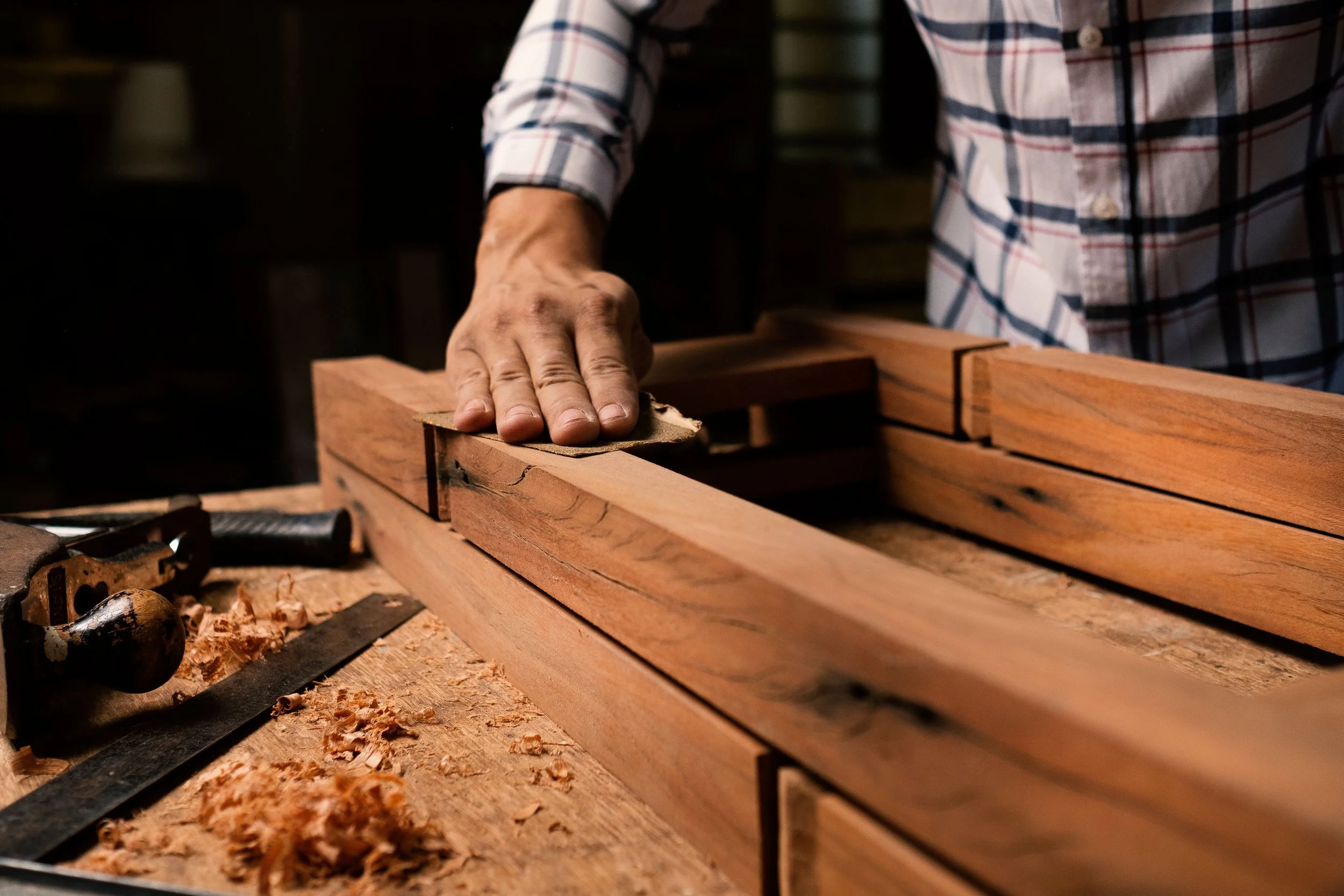
There is something different about living with solid timber furniture. A dining table gradually becomes the place where birthdays are celebrated, Sunday dinners stretch into the evening and children do their homework. A bedside table picks up small signs of everyday life. A cabinet develops a richer character as the years pass.
That is part of the appeal of choosing quality timber furniture in Perth. Solid timber isn't meant to look untouched forever. When it is well made and properly cared for, it can age beautifully, developing character rather than simply looking worn.
The good news is that looking after solid timber furniture doesn't need to become another household chore. A few sensible habits, occasional maintenance and an understanding of how timber responds to its surroundings can help a well-made piece remain beautiful for decades.
Start With Simple, Gentle Cleaning
For everyday care, less is usually more.
Dust your furniture regularly with a clean, soft microfibre or cotton cloth. Removing dust might seem purely cosmetic, but it also prevents fine particles from building up and being dragged across the surface during cleaning.
When the furniture needs more than dusting, use a slightly damp cloth rather than soaking the surface. Wipe gently with the grain and follow with a dry cloth so moisture isn't left sitting on the timber.
Avoid reaching automatically for strong multipurpose cleaners, abrasive pads or harsh chemicals. Depending on the finish used on your furniture, these products can affect the protective surface or change its appearance.
Be particularly careful with products containing aggressive solvents or abrasive ingredients. A cleaner designed for another household surface isn't necessarily suitable for a handcrafted timber table.
For spills, speed matters. Blot the liquid rather than rubbing it across the surface, then gently dry the area.
If you're dealing with a stubborn mark and you're unsure which cleaning product is appropriate, contact the furniture maker before experimenting. Knowing the timber species and, importantly, the finish applied to it makes choosing the correct treatment much easier.
Oiling and Maintenance: Don't Follow a Calendar Blindly
One of the appealing qualities of many oil-finished timber pieces is that they can be maintained and refreshed over their lifetime.
But that doesn't mean every timber table needs another coat of oil every six months.
How often a piece needs attention depends on the finish, how frequently the furniture is used and where it sits in your home. A dining table used by a family several times a day has a very different life from a hallway console that is rarely touched.
Instead of relying solely on the calendar, pay attention to the surface. If an oil-finished piece starts looking noticeably dry, dull or tired, it may be time for maintenance.
Before applying anything, however, find out what the original finish is. Different finishing systems have different maintenance requirements, and applying an incompatible oil, wax or polish can create more work rather than solving the problem.
For valuable bespoke furniture, getting advice from the original maker is often the safest approach.
When refinishing or re-oiling is appropriate, preparation matters just as much as application. The surface should be properly cleaned, and any maintenance product should be applied according to the finish manufacturer's instructions.
Done correctly, maintenance can refresh the appearance of solid timber and help extend the useful life of a piece rather than replacing it when the surface begins showing its age.
Preventing Everyday Damage
Most timber furniture damage doesn't happen dramatically. It comes from small habits repeated over months or years.
A hot saucepan placed directly on a dining table, a wet glass left overnight or a ceramic pot dragged rather than lifted can all leave their mark.
Coasters, placemats and trivets are simple but worthwhile protection. Use them beneath hot dishes, drinks, vases and plant pots, particularly on surfaces that see heavy daily use.
Pay attention to decorative objects too. Rough-bottomed ceramics, lamps and ornaments can scratch a finish when they're moved. Felt pads underneath these items offer inexpensive protection.
Water deserves particular attention. Solid timber and moisture aren't natural enemies—trees contain moisture, after all—but finished furniture shouldn't be left with standing water on its surface. Wipe spills promptly and avoid placing consistently damp objects directly on the timber.
Sunlight is another consideration in Perth homes.
Western Australia's bright conditions are wonderful for naturally lit interiors, but prolonged direct sunlight can change the colour of timber and finishes over time. If a table receives strong sunlight through the same window every afternoon, consider blinds, curtains or repositioning it where practical.
If decorative objects permanently sit in one location, moving them occasionally can also help the timber age more evenly.
Give Your Furniture Some Breathing Room
Timber is a natural material. Even after it has been carefully dried, machined, joined and finished, it continues to respond to changes in its environment.
Humidity and temperature influence timber's moisture content, which can cause small amounts of expansion and contraction. Good furniture is designed and constructed with timber movement in mind, but maintaining a reasonably stable indoor environment still helps.
Try to avoid positioning solid timber furniture immediately beside strong heat sources or in areas exposed to extreme fluctuations.
Air-conditioning can also change indoor conditions considerably. You don't need to obsess over your home's humidity, but avoiding extremes is sensible.
This is particularly relevant when caring for timber furniture in Perth, where homes can experience hot, dry periods as well as cooler, wetter winter conditions.
Seasonal Care for Perth Homes
You don't need a complicated seasonal maintenance routine. A quick inspection a few times each year is usually enough to catch small issues before they become larger ones.
Summer
During Perth's hotter months, watch furniture exposed to prolonged direct sunlight and heat.
Check whether sunlight has shifted with the season and is now hitting a table or cabinet for several hours each day. Use window coverings during periods of intense sun where necessary.
It's also worth checking surfaces for dryness, especially heavily used oil-finished furniture. That doesn't automatically mean it needs another coat of oil—just that it's worth paying attention to.
Autumn
Autumn is a good opportunity for a general clean and inspection.
Move decorative objects, carefully clean underneath them and check areas that are normally hidden. Look at table edges and other high-contact areas for signs that the finish may need attention.
Winter
As temperatures cool and indoor conditions change, continue keeping furniture away from concentrated heat sources where possible.
If you're using heaters, avoid placing valuable solid timber pieces directly beside them. Sudden or highly localised changes in heat and humidity aren't ideal for natural timber.
Spring
Spring cleaning is the perfect time to inspect furniture more closely.
Check surfaces, edges and frequently handled areas. Tighten removable hardware if appropriate, clean the furniture gently and consider whether an oil-finished surface is ready for professional maintenance or refinishing.
A little attention each season is far easier than trying to restore a neglected piece years later.
Scratches and Marks Aren't Always the End of the World
One of solid timber's biggest advantages is its repairability.
A scratch in a thin decorative surface or damaged composite material can be difficult to address. Solid timber, by contrast, often gives an experienced furniture maker much more scope for repair, refinishing and restoration.
That doesn't mean you should attack every scratch with sandpaper.
Minor marks can sometimes become part of the natural patina of a piece. Deeper scratches, dents, water marks or finish damage should be assessed according to the timber and finishing system used.
If the furniture has sentimental or significant financial value, resist the temptation to try internet DIY remedies involving household oils, aggressive sanding or unknown polishes. A small professional repair is preferable to turning a minor blemish into a much larger refinishing job.
Furniture Worth Looking After
The best reason to care for solid timber furniture is simple: good furniture can stay with you for a very long time.
Marshall Wood creates bespoke and small-batch furniture in Perth, with an emphasis on craftsmanship, carefully selected timber and pieces designed for long-term use. From dining tables and bedside tables to hallway pieces, storage furniture and individual commissions, solid timber gives furniture both durability and a character that can become richer with age.
And that changes how you think about maintenance.
You're not trying to keep a piece permanently frozen in the condition it was in on delivery day. You're helping it age well.
There may eventually be a small mark from a family dinner or subtle changes in the timber's colour. Years from now, those details can become part of what makes the piece yours.
Make Good Timber Furniture Part of the Family
When you invest in quality timber furniture in Perth, basic care goes a long way: clean it gently, wipe spills quickly, protect it from excessive heat and moisture, manage prolonged sun exposure and maintain the finish using products appropriate to the original treatment.
Most importantly, don't overcomplicate it.
Solid timber furniture is made to be used. With thoughtful care and occasional maintenance, a beautifully crafted table, cabinet or side table doesn't have to be something you replace when fashions change.
It can be something you live with, maintain, repair when necessary and, one day, pass on.