How Handmade Furniture Adds Character to Modern Homes
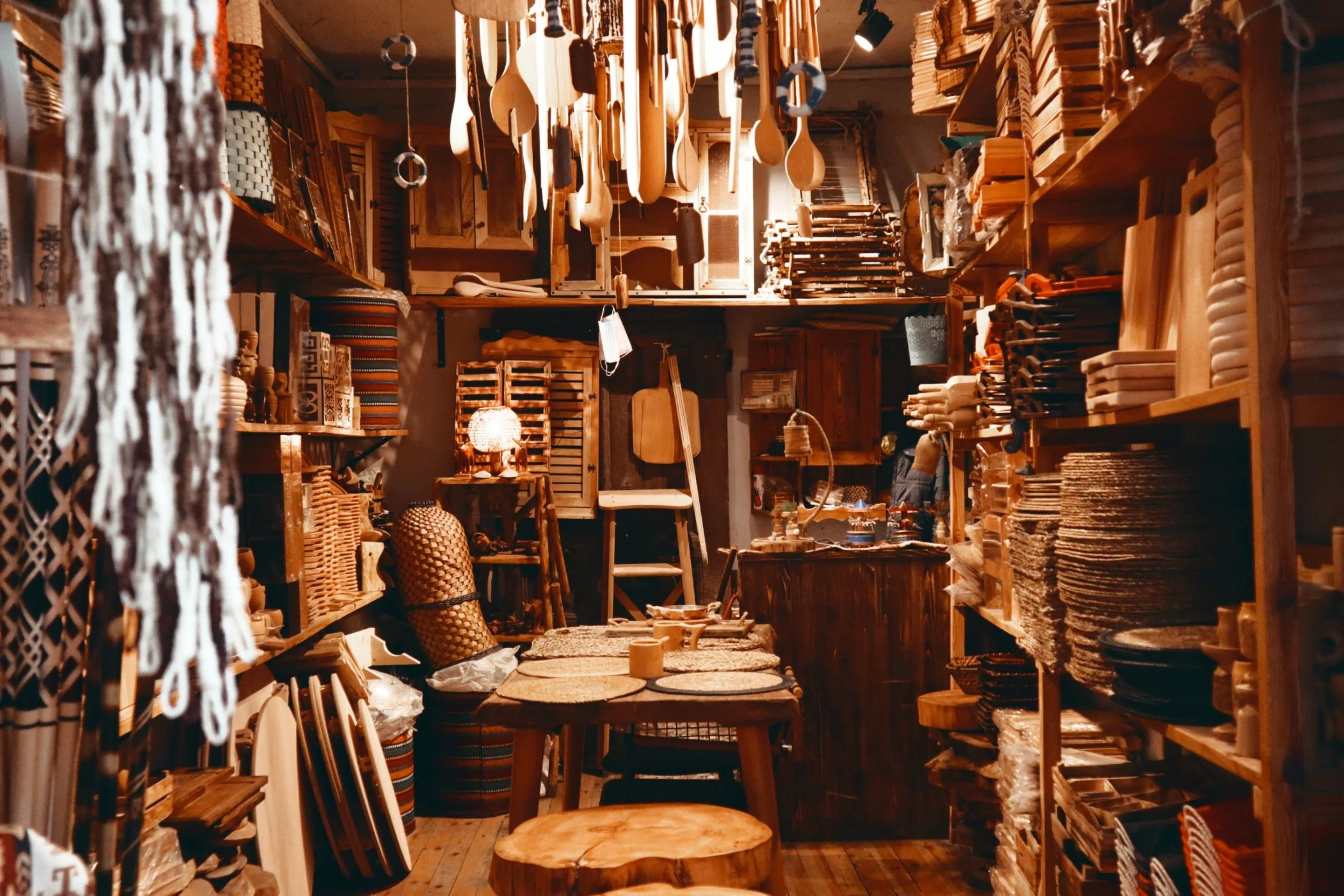
Modern homes are often defined by clean lines, open spaces and a carefully considered approach to design. While this creates interiors that feel calm and sophisticated, there can also be a risk of spaces feeling overly uniform. Introducing natural materials and handcrafted pieces is one of the most effective ways to bring warmth, individuality and personality into a contemporary home.
This is where handmade timber furniture makes a noticeable difference.
Unlike furniture produced on a large manufacturing line, handmade pieces celebrate the natural characteristics of timber and the skill involved in turning raw material into something functional and beautiful. From subtle variations in colour to distinctive grain patterns, knots and hand-finished details, each piece carries characteristics that cannot simply be replicated.
For homeowners searching for handmade timber furniture Perth, choosing locally crafted furniture can be an opportunity to create an interior that feels personal rather than predictable.
The Appeal of Natural Imperfections
One of timber's greatest qualities is that it isn't perfectly uniform.
Every piece of natural timber can contain subtle variations. Knots, mineral streaks, changes in tone and other natural characteristics tell part of the story of the material. In mass-produced furniture, manufacturers may attempt to minimise these variations to achieve a consistent appearance across thousands of identical products.
Handmade furniture can take a different approach.
Rather than treating natural variation as something that needs to be hidden, an experienced furniture maker can incorporate it thoughtfully into the finished design. A distinctive section of grain might become a feature of a tabletop, for example, while variations in tone can add depth to a cabinet, bench or side table.
These characteristics become especially effective in contemporary interiors.
Modern architecture frequently relies on relatively restrained palettes, simple geometry and uncluttered spaces. Against that background, natural timber introduces texture without creating unnecessary visual noise. The irregularities in the material soften straight architectural lines and give the room a more tactile, welcoming quality.
The result is furniture that feels connected to nature while remaining entirely appropriate for a modern home.
Unique Grain Patterns Give Furniture Its Identity
Timber grain is essentially nature's own pattern.
The lines, curves, colour variations and figuring visible in a board developed as the tree grew. Species, growing conditions and the individual tree all contribute to the appearance of the material.
This means timber provides furniture makers with an extraordinary natural design element.
Rather than applying an artificial pattern to the surface, the maker can work with what is already present in the material. Careful timber selection allows particular grain patterns to complement the proportions and shape of a piece.
A large dining table provides an obvious example. Its generous surface area creates an opportunity for the grain to become an important visual feature. Depending on the timber selected, the result might be subtle and understated or dramatic and expressive.
The same principle applies to smaller furniture.
A bedside table, hallway console, coffee table or cabinet can gain much of its visual character from the timber itself. Even when the overall design is minimal, the grain prevents the piece from appearing sterile.
This balance makes handmade timber furniture particularly suitable for contemporary interiors: the furniture can remain architecturally simple while the natural material supplies richness and detail.
Why No Two Handmade Timber Pieces Are Ever Identical
One of the most appealing qualities of handmade furniture is individuality.
Even if two pieces are constructed using the same design, dimensions and timber species, they will never be completely identical. The grain will vary. Colour may differ slightly from board to board. Natural features will occur in different locations.
Then there is the human element.
Handmade furniture involves a series of decisions throughout the making process. Timber needs to be selected, positioned, cut, shaped, joined, sanded and finished. The craftsperson responds to the material as the piece develops.
Those small decisions give handmade furniture its individuality.
This contrasts with mass manufacturing, where consistency is usually the objective. Factory production is designed to create large quantities of products that look as similar as possible.
Hand craftsmanship offers something different: a piece made with attention to its specific materials, proportions and purpose.
For homeowners, that individuality can make furniture feel more meaningful. Instead of choosing an item designed for thousands of unrelated spaces, a bespoke or made-to-order piece can be considered in relation to a particular room, architectural style and way of living.
That distinction becomes particularly valuable when furnishing a long-term home.
Furniture That Develops Character Over Time
The character of quality timber furniture does not stop developing when it leaves the workshop.
Natural timber can change subtly with age and use. Depending on the species and finish, its colour may deepen or mellow over time. The surface gradually becomes part of everyday life, developing a history that is unique to the home.
A dining table might become the place where family meals, celebrations and conversations happen. A hallway table becomes part of the daily ritual of arriving home. A desk may accompany years of creative or professional work.
These experiences create an emotional connection that is difficult to achieve with disposable furniture.
Rather than viewing every sign of age as a reason to replace an item, owners of well-crafted timber furniture can appreciate the way a piece evolves.
That longevity is one reason handmade furniture can work so well in interiors designed around timelessness rather than short-lived trends.
Combining Contemporary Design With Traditional Craftsmanship
Handmade furniture does not have to look traditional.
Some of the most interesting furniture being produced today combines contemporary forms with established woodworking knowledge. Clean silhouettes, restrained proportions and modern finishes can sit alongside carefully executed joinery and hands-on craftsmanship.
This combination gives homeowners the best of both worlds.
The furniture can complement modern architecture while retaining the warmth and integrity associated with traditional furniture making.
A contemporary dining table, for example, might have a streamlined top, curved edges and sculptural legs. Its appearance may be distinctly modern, but creating it successfully still requires an understanding of timber movement, structural strength, joinery, finishing and proportion.
Similarly, a minimalist cabinet might appear deceptively simple. Achieving that simplicity can require considerable precision.
Good craftsmanship is often most noticeable when nothing feels unnecessary.
Handmade Furniture as a Focal Point
Modern interiors generally benefit from restraint. Rather than filling a room with numerous decorative objects, a few carefully selected pieces can create greater impact.
Handmade furniture works particularly well within this philosophy.
A sculptural timber dining table can anchor an open-plan living space. A beautifully proportioned sideboard can add warmth to a minimalist wall. A distinctive coffee table can become the visual centre of a living room without overwhelming the surrounding furniture.
Because the material itself provides texture and variation, the piece does not need excessive decoration.
This creates a useful contrast between contemporary architecture and natural craftsmanship.
Concrete, glass, steel and crisp painted surfaces can feel more inviting when balanced with timber. At the same time, a modern furniture design prevents the timber from making the space feel overly rustic.
The relationship between these elements is what gives the interior depth.
Bespoke Furniture Can Respond to the Space
Character is not only about appearance. It also comes from furniture feeling as though it genuinely belongs in its surroundings.
One advantage of commissioning handmade furniture is the ability to consider the particular requirements of a space.
Dimensions can be important. A standard dining table may be slightly too wide for a room or too short for the number of people who regularly use it. A console might need to fit a narrow hallway. A cabinet may need to complement an architectural feature or provide storage for specific objects.
Bespoke furniture allows these practical requirements to become part of the design process.
Timber selection and finish can also be considered alongside existing flooring, cabinetry, architectural materials and other furniture. Instead of forcing a generic product into the room, the furniture can be designed with its surroundings in mind.
This contributes to a more cohesive interior and gives the finished piece a stronger sense of purpose.
Supporting Craftsmanship in a Mass-Produced World
Choosing handmade furniture is also a choice about how objects are made.
Furniture craftsmanship requires patience, experience and attention to detail. The process extends beyond assembling components. It involves understanding the material, resolving design challenges and refining details until the piece works both visually and practically.
For people looking for handmade timber furniture Perth, working with a local furniture maker can also create a more direct connection between client and craftsperson.
Ideas can be discussed, materials considered and practical requirements incorporated before construction begins. This collaborative approach gives clients insight into the process behind the finished object.
Marshall Wood, for example, approaches bespoke furniture as a journey encompassing consultation, design, timber sourcing, construction, finishing and delivery. The result is furniture created around both the client's requirements and the characteristics of the selected material.
Bringing Personality Into the Modern Home
The most memorable modern homes are rarely those where everything looks perfect or identical.
They are spaces where architecture, materials, objects and personal choices work together.
Handmade timber furniture contributes to that character because it introduces something inherently individual. Natural imperfections provide texture. Grain patterns create visual movement. Craftsmanship brings subtle human detail. Bespoke design allows the piece to respond to its surroundings.
Most importantly, no two pieces of timber—and therefore no two genuinely handmade pieces—will ever be exactly the same.
In a world where so many household objects are designed for mass production and easy replacement, that individuality has real value.
For homeowners seeking handmade timber furniture Perth, Marshall Wood creates bespoke and made-to-order pieces that combine contemporary furniture design with careful craftsmanship. From dining tables and coffee tables to bedside tables, benches, cabinets and other custom commissions, each piece offers an opportunity to introduce natural material, considered design and lasting character into the home.
When modern design is combined with the individuality of timber and the skill of the maker, furniture becomes more than something that simply fills a room. It becomes part of what gives the home its identity.