Custom Timber Side Tables: Designing for Your Home
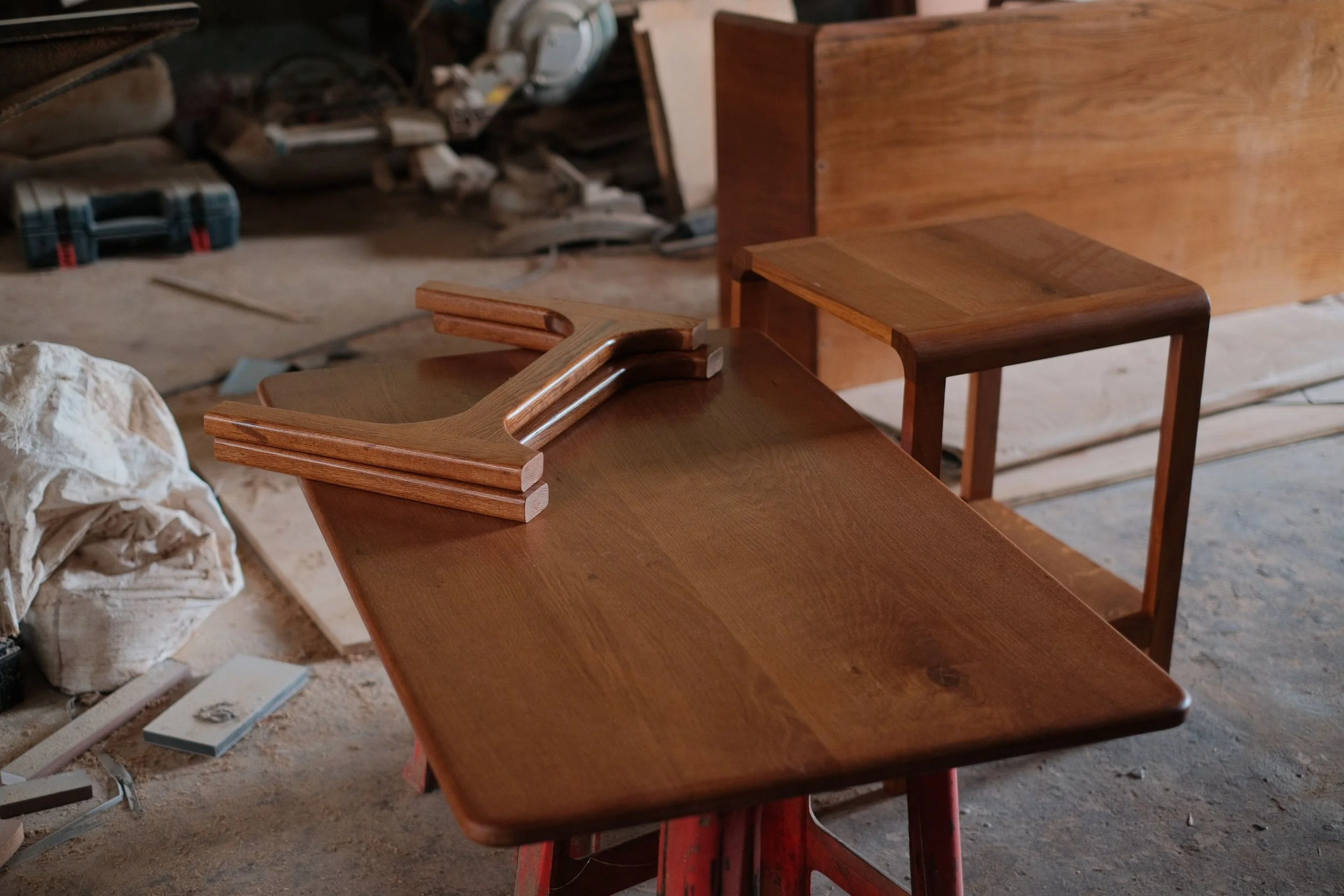
A side table may be one of the smaller pieces of furniture in a room, but its impact can be surprisingly significant. Positioned beside a sofa, armchair or bed, it provides a convenient surface while contributing to the overall balance and character of the space. When you choose custom timber side tables, you have the opportunity to create furniture that suits your home in ways that standard, mass-produced pieces often cannot.
Custom furniture allows you to consider dimensions, timber species, leg styles, finishes and other details before the piece is made. Instead of adapting your room to accommodate a generic table, you can design a table around the space where it will actually live.
For Australian homeowners who appreciate natural materials and quality craftsmanship, a custom timber side table can become a functional feature that develops even more character over time.
Why Choose Custom Timber Side Tables?
Ready-made furniture is convenient, but it usually comes in predetermined sizes, colours and materials. This can make finding exactly the right piece difficult, particularly when you have an unusual space, existing timber furniture or a specific interior style.
Custom timber side tables offer much greater flexibility.
Perhaps you need a narrow table to fit between an armchair and a wall. You might want the tabletop to sit at precisely the right height beside your sofa. Alternatively, you may want a particular timber species that complements a dining table, entertainment unit or other furniture already in your home.
Custom design gives you control over these details.
Timber also brings qualities that manufactured materials struggle to replicate. Every board has its own grain patterns, colour variations and natural characteristics. Rather than looking completely uniform, a well-crafted timber table has individuality.
This combination of practicality, durability and natural beauty makes custom timber furniture particularly suitable for homeowners who want pieces designed to remain part of their interiors for years.
Choosing the Right Size for Your Side Table
Getting the dimensions right is one of the most important aspects of designing a custom side table.
A beautiful table can still feel awkward if it is too tall, too wide or disproportionately small for the furniture around it. Before deciding on dimensions, consider exactly where the table will be positioned and how you intend to use it.
Consider the Height
For a side table positioned beside a sofa or armchair, the tabletop should generally be easy to reach while seated. A table that sits approximately level with the furniture's arm often provides convenient access to drinks, books, phones or lamps.
However, there is no single measurement that works for every room.
Modern low-profile sofas may require shorter side tables, while traditional lounges with higher arms may suit taller designs. This is where custom furniture becomes particularly useful: the dimensions can be determined by your existing furniture rather than standard manufacturing conventions.
Think About Width and Depth
Available floor space is equally important.
In a compact living room, a slim table can provide useful surface space without interfering with movement. Larger rooms may accommodate wider tables that can hold a lamp, decorative objects and everyday essentials.
Measure the intended location carefully, including the distance between surrounding furniture and walkways.
It is also worth considering what will regularly sit on the tabletop. Someone who only needs space for a coffee cup may require a very different design from someone wanting to accommodate a substantial table lamp, books and decorative accessories.
Customisation allows these practical requirements to inform the final dimensions.
Selecting the Right Timber Species
Choosing timber is one of the most enjoyable parts of designing custom timber side tables. Species can influence colour, grain, texture and the overall character of the finished furniture.
Australian homes can accommodate everything from lighter contemporary timbers to rich, darker species. The right choice depends on the aesthetic you want to create and how the table relates to other materials within the room.
Colour and Character
Some homeowners prefer timber with warm golden or reddish tones, while others gravitate towards pale, understated colours. Grain patterns can also range from relatively subtle to highly distinctive.
Rather than viewing natural variation as an imperfection, it can be considered part of timber's appeal.
Knots, grain changes and differences in tone help ensure that a custom piece has its own character. These details can be particularly attractive in side tables because their relatively compact surfaces allow the natural features of the timber to become a design element.
Matching Existing Furniture
Your new table does not necessarily have to be made from exactly the same timber as every other piece in the room.
In fact, trying to match different timber furniture perfectly can sometimes make a room feel overly coordinated. Complementary tones can create a more layered and natural interior.
Consider the undertones of existing flooring, cabinetry and furniture. Warm timbers often work comfortably together, while lighter species can provide contrast against darker furniture.
A custom furniture maker can help you assess timber options according to both appearance and the requirements of the piece.
Exploring Different Leg Styles
Leg design can dramatically change the personality of a side table.
Even when two tables use the same timber and dimensions, different bases can make one appear traditional and another distinctly contemporary. For this reason, leg style deserves careful consideration during the design process.
Straight Timber Legs
Simple straight legs create a clean and timeless appearance. They work particularly well when you want the natural grain and craftsmanship of the timber to remain the primary visual focus.
Depending on their thickness and profile, straight legs can suit contemporary, Scandinavian-inspired, traditional and minimalist interiors.
Tapered Legs
Tapered legs gradually become narrower towards the floor, creating a lighter visual profile. This style is often associated with mid-century and contemporary furniture.
They can be particularly effective for small side tables because the narrower lower section helps prevent the furniture from appearing heavy or bulky.
Angled or Splayed Legs
Splayed legs introduce a stronger design statement and can give furniture a distinctive mid-century influence. The outward angle creates visual interest while potentially providing a stable base.
This style can work beautifully when the table is intended to be more than purely functional.
Solid and Architectural Bases
For a bolder appearance, side tables can also incorporate substantial timber bases, panels or sculptural forms.
These designs tend to have greater visual weight and may work particularly well in larger living spaces where a very delicate table could disappear alongside substantial sofas or armchairs.
When selecting a leg style, consider both aesthetics and proportion. The base should complement the tabletop while remaining suitable for the intended dimensions and use of the furniture.
Choosing the Right Timber Finish
A finish does much more than influence how a timber side table looks. It also helps protect the surface from everyday use.
Side tables frequently hold drinks, lamps, books, keys and decorative objects, so selecting an appropriate finish is an important part of the design process.
Natural-Looking Finishes
Many homeowners choose timber precisely because they appreciate its natural appearance. A clear or subtle finish can enhance the grain and colour without dramatically changing the timber's character.
This approach works particularly well in interiors where natural materials and understated textures are central to the design.
Oils
Oil finishes can create a warm, tactile appearance that emphasises the timber grain. Depending on the particular product and application, they may produce anything from a relatively natural appearance to a richer tone.
Maintenance requirements should be considered when selecting an oil finish, particularly for furniture that receives regular use.
Protective Clear Finishes
Where greater resistance to everyday wear is important, a more protective clear coating may be appropriate.
The desired sheen is another consideration. Matte and low-sheen finishes can create a contemporary, understated appearance, while glossier finishes reflect more light and can give timber a more polished character.
The best finish depends on the timber species, intended appearance and how the table will be used.
Designing a Side Table Around Your Interior
Successful custom furniture should feel connected to the room around it.
Before finalising your table, look at the broader interior. Consider the proportions of your sofa, the colour of your flooring, nearby furniture, lighting and the architectural character of your home.
A minimalist room might benefit from a simple table with restrained detailing and clean lines. A traditional home could accommodate heavier proportions or more detailed joinery. Mid-century interiors may call for tapered or splayed legs, while contemporary spaces can work beautifully with sculptural forms.
You can also consider how the table will interact with other furniture.
For example, matching the height or design language of a coffee table can establish visual consistency without making the pieces identical. Alternatively, a contrasting side table can act as a subtle feature within an otherwise neutral room.
The advantage of custom design is that these decisions can be intentional rather than dictated by whichever dimensions and styles happen to be available in stores.
Practical Details Worth Considering
Appearance is important, but a good side table also needs to function comfortably in everyday life.
Think about how you will actually use the furniture. Do you need a lower shelf for books? Would a drawer provide useful storage for remote controls and chargers? Does the table need enough surface area for a large lamp? Will it sit in a high-traffic location where rounded corners might be preferable?
Cable management may also be worth considering if the table will regularly hold devices or lighting.
These relatively small decisions can have a significant effect on how useful the finished piece becomes. Discussing them early in the design process makes it possible to integrate practical features cleanly rather than treating them as afterthoughts.
The Lasting Appeal of Custom Timber Furniture
Furniture trends change, but well-designed timber pieces have an enduring quality.
A custom side table does not need to rely heavily on current trends to make an impact. Good proportions, appropriate materials and thoughtful craftsmanship can create furniture capable of working through multiple changes in décor.
Timber itself also develops character as it ages. Natural changes in tone and the signs of careful everyday use can become part of the history of a piece.
Rather than treating a side table as disposable furniture that will be replaced whenever styles change, custom design encourages a longer-term approach. Choosing the right dimensions, timber, construction and finish from the beginning can result in furniture that continues to suit both the home and its owners.
Create Custom Timber Side Tables for Your Home
The best side table is not simply the one that looks appealing in isolation. It should suit its location, complement surrounding furniture and work naturally with the way you use your home.
With custom timber side tables, every major detail can be considered before construction begins. From choosing the right size and timber species to exploring leg styles and finishes, customisation provides the freedom to create a piece specifically for your interior.
Marshall Wood creates handcrafted timber furniture with an emphasis on thoughtful design, quality materials and craftsmanship. If you are considering a custom side table or another timber furniture piece for your home, explore the custom furniture options available through Marshall Wood and start developing a design suited to your space.