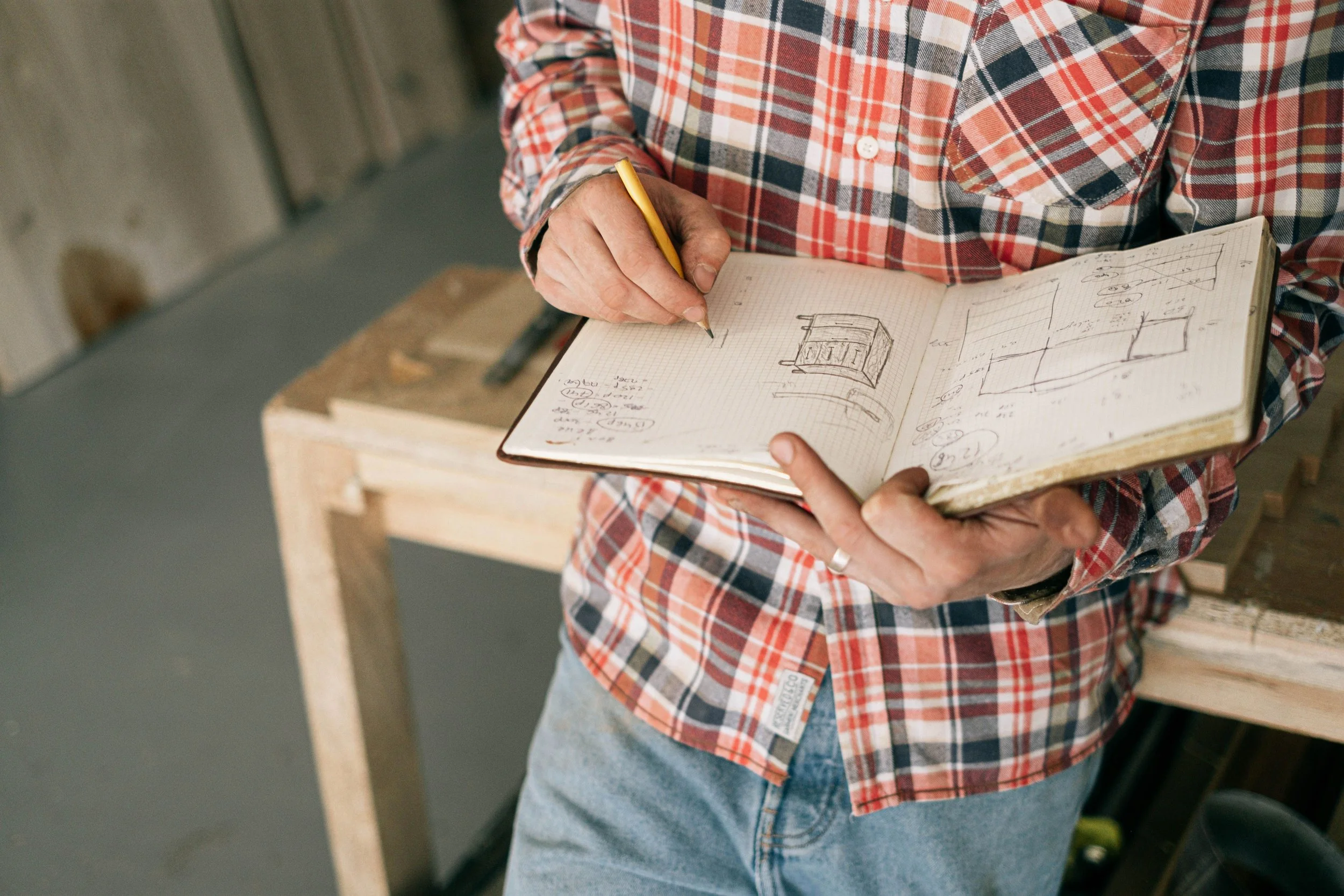
There's something special about owning furniture that has been made just for you. Not something pulled from a showroom floor or chosen from a catalogue, but a piece designed around your space, your lifestyle and your personal taste.
Perhaps you've spent months searching for a dining table that fits your room perfectly. Maybe you need a beautifully crafted entertainment unit that works with an awkward wall, or a statement coffee table that brings your living area together.
Whatever the reason, commissioning custom furniture gives you the freedom to create something genuinely unique.
But before you jump into the design process, there are a few things worth thinking about.
Unlike buying ready-made furniture, commissioning a bespoke piece involves decisions about dimensions, materials, functionality, cost and production time. Getting these details right from the beginning can make the entire experience more enjoyable and help ensure the finished piece is everything you imagined.
At Marshall Wood, a Perth-based studio specialising in handcrafted timber furniture, thoughtful design and skilled craftsmanship are at the heart of every commission.
If you're considering investing in custom-made furniture, here are five important things to keep in mind before getting started.
1. Know Your Room Dimensions Before Making Design Decisions
One of the biggest advantages of custom furniture is that it can be designed to suit your space rather than forcing your space to accommodate the furniture.
However, even the most beautiful piece won't feel right if the proportions are wrong.
Before commissioning anything, take some time to understand the dimensions and layout of the room where your furniture will live.
Measure more than just the available space
It's tempting to measure an empty wall or floor area and assume that's all you need. In reality, there are several other details that can influence the final design.
Think about doorways, windows, skirting boards, power points and the position of existing furniture.
For example, a custom dining table might fit comfortably within your dining room, but will there still be enough space to pull out the chairs and walk around when everyone is seated?
Similarly, a beautifully designed sideboard could look fantastic against a wall, but its doors and drawers still need enough clearance to open properly.
Consider how the furniture will enter your home
This is something that's surprisingly easy to overlook.
A large dining table or solid timber cabinet might fit perfectly in its intended position, but getting it through narrow hallways, staircases or apartment entrances could be another story.
Measure the access points as well as the room itself. If you're commissioning a particularly large piece, discuss delivery access with your furniture maker early in the process.
Think about visual balance
Furniture dimensions aren't just about whether something physically fits.
A bulky table can overwhelm a smaller room, while a delicate piece may feel lost in a large, open-plan living area.
A skilled furniture maker can help you find the right balance between size, proportions and practicality.
Helpful tip: Sketch a simple floor plan showing the room measurements and existing furniture. Even a rough drawing can make your initial design conversation much more productive.
2. Think About Your Lifestyle and How You'll Use the Furniture
Beautiful furniture should do more than look good. It should make everyday life easier and more enjoyable.
That's why understanding how you'll actually use a piece is just as important as choosing its appearance.
Before commissioning custom timber furniture, ask yourself a simple question:
What do I need this piece to do for me?
Design for everyday living
Imagine you're commissioning a dining table.
If you regularly host family dinners or entertain friends, you might prefer a generous tabletop with enough seating for larger gatherings.
On the other hand, if your dining area doubles as a workspace, you'll want a surface that's comfortable for daily use and a design that offers sufficient legroom.
The same principle applies to other furniture.
A custom entertainment unit might need to accommodate gaming consoles, speakers and hidden cables. A hallway console could require practical storage for keys, bags and everyday essentials.
When furniture is designed around your routine, the difference becomes noticeable.
Consider children, pets and busy households
If your home is full of activity, durability should be high on your priority list.
Timber selection, surface finishes, edge profiles and construction methods can all influence how well a piece handles everyday wear.
For example, a household with young children might prefer softly rounded corners rather than sharp edges.
Similarly, a family dining table may benefit from a finish selected with regular cleaning and maintenance in mind.
Solid timber also has natural characteristics, including variations in grain, colour and movement over time. Understanding these qualities helps you choose a material that suits your expectations.
Think about your future needs
Good furniture can remain part of your home for many years.
Rather than focusing only on your current circumstances, consider whether your needs might change.
Will you move house? Could your family grow? Might the piece eventually serve a different purpose?
Choosing a versatile, timeless design can help your furniture adapt as your lifestyle evolves.
This is one of the real pleasures of commissioning bespoke timber furniture: you're not limited to standard dimensions or predetermined designs.
You have the opportunity to create something that feels personal, practical and made for the way you live.
3. Set a Realistic Budget and Understand What You're Paying For
Let's talk about money.
Custom furniture is an investment, and understanding the factors that influence its cost will help you make informed decisions without compromising the things that matter most.
Unlike mass-produced furniture, bespoke pieces are individually designed and crafted. This means pricing can vary considerably depending on the project.
What affects the cost of custom furniture?
Several factors contribute to the final price, including:
Timber selection: Different timber species vary in availability, appearance and cost.
Size and complexity: Larger pieces and intricate designs generally require more materials and labour.
Construction details: Specialised joinery, curved components and unique design features can increase production time.
Finishing requirements: The type of finish and the preparation involved can influence the overall cost.
Delivery and installation: Large or complex furniture may require additional handling or installation arrangements.
For instance, a straightforward solid timber coffee table will usually involve different material and labour requirements from a large dining table with sculptural legs and detailed joinery.
Neither approach is necessarily better. It comes down to your priorities.
Be upfront about your budget
Some people hesitate to discuss money with a furniture maker because they're unsure what a custom piece should cost.
There's no need to feel uncomfortable about it.
Sharing an approximate budget early helps establish what's achievable and allows your maker to recommend suitable design options, materials and finishes.
If a particular design exceeds your preferred spending range, there may be opportunities to simplify certain details while preserving the overall look and function.
Consider long-term value
It's worth looking beyond the initial purchase price.
Well-designed, carefully constructed furniture can offer years of use, especially when properly maintained.
A custom piece also has a personal quality that's difficult to replicate with mass-produced alternatives.
You get to choose the proportions, materials and design details rather than settling for something that's almost right.
The goal isn't necessarily to create the most expensive piece possible. It's to invest in furniture that delivers lasting enjoyment and practical value.
4. Gather Design Inspiration, but Keep an Open Mind
You don't need to be an interior designer to commission beautiful furniture.
In fact, you don't even need a fully developed design.
A general idea of what you like is often enough to start a productive conversation with a skilled furniture maker.
Start collecting ideas
Before your initial consultation, spend some time exploring different furniture styles.
Pinterest, interior design magazines, architecture websites and furniture collections can all provide inspiration.
Save examples that catch your attention, even if you're not entirely sure why you like them.
Perhaps you're drawn to the warmth of natural timber, the simplicity of contemporary furniture or the gentle curves of a particular table.
Over time, you may notice common elements appearing in your saved images.
These preferences can help communicate your design direction.
Think about materials and finishes
Timber plays a significant role in the overall character of a piece.
Different species have distinct grain patterns, tones and textures, and the finish you choose can influence their appearance.
Some people love lighter timber with a clean, understated finish. Others prefer deeper tones or a more expressive grain pattern.
Consider how your preferred timber will work alongside your flooring, cabinetry and existing furniture.
You don't necessarily need everything to match. Sometimes a carefully chosen contrast creates a more interesting and inviting space.
Give your furniture maker room to contribute
One of the biggest benefits of commissioning bespoke furniture is the opportunity to collaborate with someone who understands design, materials and construction.
Rather than approaching the process with every detail fixed, be open to suggestions.
A furniture maker may recommend adjusting the proportions, refining an edge profile or selecting a different construction method to improve the finished result.
These small decisions can have a significant impact on both appearance and functionality.
At Marshall Wood, founder and furniture maker Jake Sawyer works collaboratively with clients to develop custom timber pieces that reflect their ideas while incorporating thoughtful design and craftsmanship.
Helpful tip: Bring three to five inspiration images to your first discussion. Explain what you like about each one, whether it's the shape, material, proportions or overall feeling.
This gives your furniture maker a clearer starting point without restricting the creative process.
5. Understand the Timeline and Plan Ahead
If you're used to ordering furniture online and having it delivered within a few days, commissioning a custom piece requires a different mindset.
Handcrafted furniture takes time, and that time is an important part of the process.
Unlike mass-produced items, bespoke furniture may need to be designed, refined, sourced, constructed and finished specifically for your project.
Understand the stages involved
Although every commission is different, the process generally involves several stages.
Initial consultation: You'll discuss your ideas, requirements, preferred materials, dimensions and budget.
Design development: The furniture maker may prepare sketches, drawings or other design information to help refine the concept.
Material selection: Suitable timber and other components are chosen and sourced according to the agreed design.
Construction: The piece is carefully made, with attention to joinery, proportions and structural integrity.
Finishing: Surfaces are prepared and the selected finish is applied.
Delivery: Once completed, the furniture is prepared for delivery or collection according to the arrangements made.
The time required for each stage will depend on the complexity of the design, material availability and the maker's existing workload.
Discuss deadlines early
Are you hoping to have a new dining table ready for Christmas? Are you furnishing a newly renovated home? Do you have an upcoming event?
If you have a particular date in mind, mention it during your first conversation.
Your furniture maker can then explain whether the proposed schedule is realistic.
It's also worth asking about the estimated production timeframe, design approval process and how you'll be updated throughout the project.
Remember that an estimated completion date may change if materials are delayed or significant design adjustments are requested.
Allow time for thoughtful craftsmanship
Custom furniture isn't about rushing a piece through production.
It's about creating something carefully considered, with attention given to the details that make it unique.
Planning ahead gives you more flexibility and makes the experience less stressful.
Instead of worrying about an approaching deadline, you can enjoy watching your ideas gradually take shape.
Why Custom Furniture Is Worth Considering
When you commission furniture, you're doing more than purchasing an item for your home.
You're taking part in the creation of something personal.
You can choose dimensions that suit your room, materials that complement your interiors and practical details that support your everyday routine.
There's also something rewarding about knowing your furniture has been made with intention rather than produced as one of thousands of identical pieces.
A thoughtfully designed dining table can become the place where family and friends gather for years. A handcrafted coffee table can bring warmth and character to a living room. A custom cabinet can transform an awkward space into something genuinely useful.
These are the details that make a house feel like home.
Bring Your Custom Furniture Ideas to Life with Marshall Wood
Commissioning custom furniture should be an exciting and collaborative experience.
By considering your room dimensions, lifestyle needs, budget, design inspiration and timeline before getting started, you'll be better prepared to make confident decisions throughout the process.
If you're looking for custom furniture in Perth, Marshall Wood creates handcrafted timber furniture with an emphasis on considered design, quality materials and attention to detail.
Founded by Jake Sawyer in 2019, the Perth-based studio specialises in bespoke and small-batch timber furniture, working with clients to create pieces suited to their individual spaces and preferences.
Whether you're imagining a custom dining table, a distinctive coffee table or a beautifully crafted piece for another area of your home, the process begins with a conversation.
Ready to create something uniquely yours?
Visit Marshall Wood to explore the studio's work and discuss your custom furniture ideas.
You can also contact the studio at jake@marshallwood.com.au to start the conversation.